
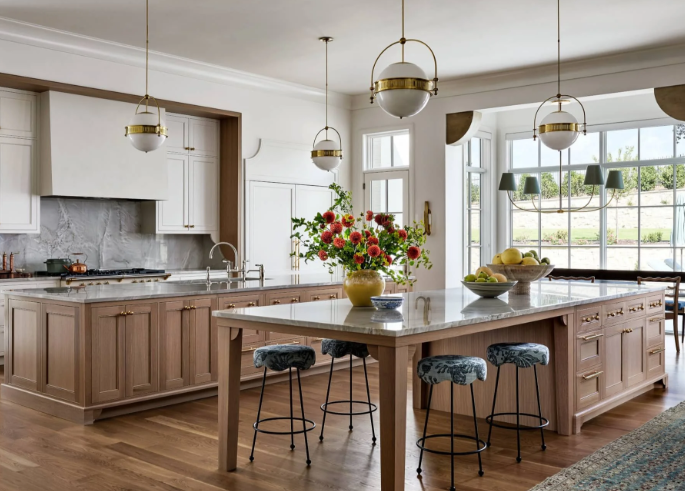
The kitchen is more than a place to prepare meals. It’s where families gather, guests congregate, homework gets finished, and everyday life happens.
That’s why remodeling a kitchen can completely change the way your home looks, feels, and functions.
But a successful kitchen remodel involves much more than choosing beautiful cabinets and countertops. Good planning before construction begins can help you make better decisions and create a finished kitchen that works for your lifestyle.
If you’re considering remodeling your kitchen, here are eight important things to think about.
1. Start With How You Actually Use Your Kitchen
Before choosing colors or finishes, think about how your kitchen functions today.
What works?
More importantly, what doesn’t?
Maybe you need more countertop space. Perhaps the refrigerator is too far from the cooking area. You may need better storage, a larger island, additional seating, or improved lighting.
Think about your everyday routine and identify the problems you want the remodel to solve.
A beautiful kitchen is great.
A beautiful kitchen that functions well is even better.
2. Establish a Realistic Budget
Kitchen remodeling projects can vary significantly depending on the size of the space, materials selected, appliances, cabinetry, structural changes, plumbing, electrical work, and overall scope of the project.
Establishing a realistic budget early can help guide decisions throughout the remodel.
It’s also smart to discuss potential unexpected conditions with your contractor, particularly when remodeling an older home.
Good planning helps reduce surprises.
3. Don’t Underestimate the Importance of Cabinets
Cabinetry is one of the biggest visual and functional components of a kitchen.
Consider more than just the color.
Think about storage and how you use the kitchen.
Options might include:
- Deep drawers
- Pull-out storage
- Pantry cabinets
- Trash and recycling pull-outs
- Spice storage
- Tray dividers
- Appliance storage
- Large pot and pan drawers
The right cabinet layout can make your kitchen dramatically easier to use.
4. Choose Countertops for Your Lifestyle
Countertops need to look great, but they also need to work for your household.
Different countertop materials have different characteristics when it comes to maintenance, durability, heat resistance, staining, and appearance.
Rather than selecting a countertop based solely on a photograph, consider how much cooking you do and how much maintenance you’re comfortable with.
Your contractor can help coordinate measurements, cabinetry, sinks, fixtures, and installation so all the pieces work together.
5. Lighting Can Completely Change the Kitchen
Kitchen lighting is often overlooked during the early planning stages.
A well-designed kitchen may incorporate several types of lighting.
General lighting illuminates the entire room.
Task lighting helps illuminate countertops and food-preparation areas.
Accent lighting can highlight cabinets, architectural details, or decorative features.
Pendant lighting over an island can also become an important design element.
Planning lighting before walls and finishes are completed can make a major difference in the final result.
6. Think Carefully Before Changing the Layout
Sometimes keeping the basic kitchen layout makes sense.
Other times, changing the layout is exactly what the home needs.
Removing a wall, relocating appliances, enlarging an island, or moving plumbing can create a dramatically different space—but these changes may also affect electrical, plumbing, framing, flooring, and other parts of the project.
An experienced remodeling contractor can help you understand what’s involved before construction begins.
7. Plan Enough Electrical Outlets
Modern kitchens use more electrical devices than ever.
Coffee makers, air fryers, mixers, charging stations, countertop appliances, refrigerators, microwaves, and other equipment all require power.
During a remodel, think about where outlets will be most useful instead of simply replacing what’s already there.
Electrical work should be properly planned and completed according to applicable requirements.
8. Hire the Right Remodeling Contractor
The contractor you choose can have a major impact on your remodeling experience.
A kitchen remodel involves coordinating numerous moving pieces, potentially including:
Demolition → Framing → Plumbing → Electrical → Drywall → Cabinets → Countertops → Flooring → Painting → Fixtures → Finishing Details
These pieces need to happen in the right order.
An experienced remodeling contractor can help coordinate the project, communicate what’s happening, address issues as they arise, and keep the project moving toward completion.
A Great Kitchen Starts With a Great Plan
It’s easy to get excited about cabinet colors, countertops, appliances, and beautiful inspiration photos.
But some of the most important decisions happen before construction begins.
A successful kitchen remodel should combine:
Beautiful Design + Smart Storage + Quality Materials + Professional Installation + Everyday Functionality
When those elements work together, you don’t simply get a newer kitchen.
You get a kitchen designed around the way you live.
Ready to Remodel Your Kitchen?
If your current kitchen feels outdated, cramped, poorly designed, or simply doesn’t work for your family anymore, it may be time to explore what’s possible.
Whether you’re considering a complete kitchen transformation or updating an existing layout, working with an experienced remodeling contractor can help turn your ideas into a clear plan.
Request Your Kitchen Remodeling Estimate
Your dream kitchen may be closer than you think.
Contact us today to schedule a kitchen remodeling consultation and let’s start planning a beautiful, functional kitchen built around your home and lifestyle.
Professional Kitchen Remodeling
Kitchen Renovations • Cabinets • Countertops • Flooring • Lighting • Custom Remodeling • General Contracting
Better design. Better functionality. A kitchen you’ll love coming home to.